Mom: You’ll be fine til Monday if you stop overcorrecting.
They didn’t feel real—even as I read them. Like something written for a courtroom drama.
But they were.
The strangest part was that my parents still thought the problem was how it looked, not what happened.
By evening, Lauren returned with news: since I was seventeen and medically dependent, the hospital had filed an emergency report. Child welfare was notified. Discharge plans would not assume I was going home. My aunt, Rebecca Sloan, had been contacted as a temporary placement.
That’s when I cried.
Not just from fear.
But because, for the first time since my diagnosis, someone treated my insulin like what it was—not a budget issue, not a family negotiation—but life support.
Rebecca arrived the next morning.
She looked furious before she even entered the room.
My aunt—my mom’s older sister—was a trauma nurse in Kansas City. Direct, sharp, impossible to dismiss. I hadn’t seen her in almost a year because Mom called her “judgmental.” What she meant was that Rebecca didn’t tolerate excuses.
She hugged me carefully around the IV lines and said, “You’re not going back there.”
I believed her.
Then she showed me a screenshot from the police report.
My father admitted they canceled the refill because “Ava still had enough to get by for a couple days.”
My mother admitted she thought I was “dramatic about diabetic management.”
And then came the line that made everything inside me go still.
When asked why they bought the tickets first, Dad said: The concert is once in a lifetime.
I looked at Rebecca.
She nodded. “Yeah. They actually said that.”
That’s when my fear turned into something else.
Not panic. Not grief.
Decision.
Because I understood something my parents never did:
They thought surviving them made me weak.
It didn’t.
It made me organized.
The second step I took was meeting with a legal aid attorney who explained, in a calm and straightforward way, that once I became an adult, I could also pursue civil recovery for any uncovered emergency medical expenses and related damages if necessary. We didn’t rush into that. There was no need. For the first time, time was working in my favor, not theirs.
As for Chloe, the concert never happened.
Once the investigation was underway, Rebecca reached out to the ticket vendor through Michelle’s documentation process. With the police report, the ongoing neglect investigation, and proof that the purchase had been made using money diverted from essential medical care, the tickets were frozen and eventually refunded. Chloe went online and cried about “toxic family sabotage” for three days, then quickly shifted her attention to something else. That alone told me how serious the “once in a lifetime” claim had ever really been.
I finished high school in Oklahoma City instead of Tulsa.
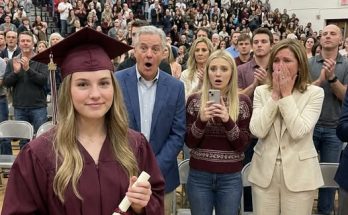
My aunt sat in the front row. My endocrinologist sent flowers. The hospital social worker mailed a card. My parents sent a message that said, We hope one day you understand we did the best we could.
I deleted it.
Because no, they didn’t.
Doing your best does not involve telling a diabetic teenager to ration insulin so her sister can get closer to a stage.
A year later, I started college and began occasionally speaking with a youth health advocacy group about medical neglect—especially in chronically ill teenagers whose care is controlled by adults who treat survival like something that can be budgeted. I never used my parents’ names publicly. I didn’t need to. The truth carried enough weight on its own.
People always assume the “what I would do next” part of a story like this is revenge.
It wasn’t.
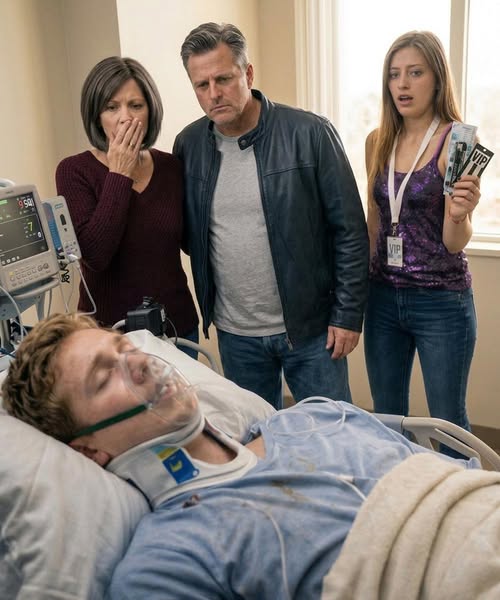
I didn’t need to yell. I didn’t need to ruin them socially. I didn’t need some dramatic confrontation in the driveway while my sister clutched meaningless concert merch.
What I did next was worse for them and better for me.
I told the truth to every person whose authority mattered.
Doctors. Social workers. Police. Caseworkers. Legal aid. Insurance. School administrators.
And once the truth was documented by people who understood what insulin means, my parents could no longer dismiss it as a misunderstanding.
They had gambled my life for a concert.
I survived.
And then I made sure the record survived too.