The front doors were kicked wide open. Three officers burst into the foyer, their service weapons drawn and leveled at my son. Harrison stopped dead in his tracks. He looked at the guns, then at the wrench in his hands. He knew it was over. The debt collectors would kill him if he went to prison; the state would lock him away forever for attempted murder. He dropped the wrench. It clanged loudly against the tile floor. But he didn’t put his hands up. Instead, Harrison lunged forward, slamming his hands onto the marble island. He grabbed a handful of the poisoned artisan chocolates—dark and white alike—and shoved them violently into his own mouth. He chewed frantically, swallowing the bitter confection in a desperate, cowardly bid to escape a life behind bars. The chaos that followed was a blur of shouting, radios, and the violent thrashing of a man whose body was instantly rejecting the poison he had curated. The paramedics arrived moments later, tackling Harrison to the floor, forcing charcoal down his throat as he convulsed on my expensive rugs. He survived. The paramedics were fast, and the emergency room doctors were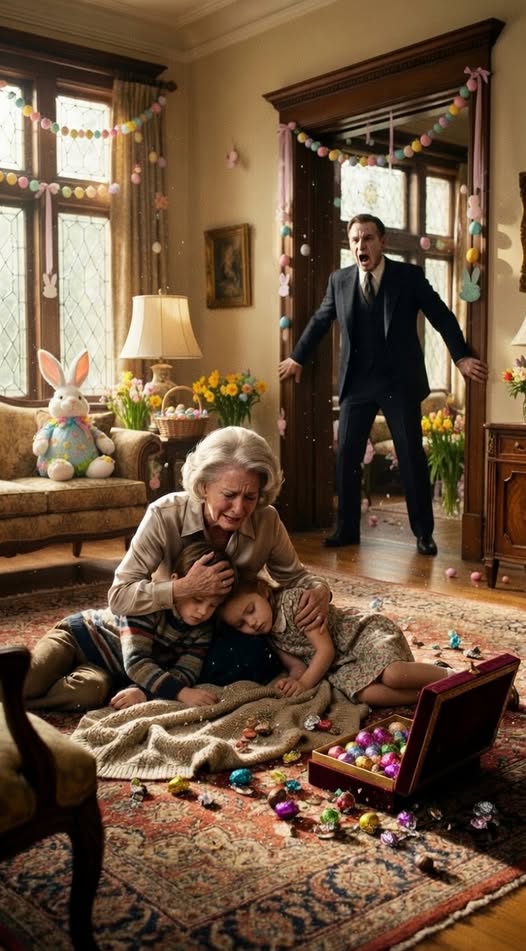
skilled. But the massive dose of cyanide, combined with the lack of oxygen during his seizures, left him with severe, permanent neurological and organ damage. He would live, but he would live the rest of his life in a heavily guarded medical prison ward, a prisoner trapped in a failing body. Two weeks later, I went to visit him.
I walked through the sterile, buzzing corridors of the state correctional medical facility. I didn’t go for forgiveness, and I certainly didn’t go for reconciliation. I went for closure.
I stood behind the thick, smudged plexiglass of the visitation booth. Harrison sat in a wheelchair on the other side. He looked twenty years older. His skin was a sickly, sallow yellow, his hair was thinning, and his hands trembled uncontrollably in his lap due to the neurological fallout of the toxin.
He looked up at me, his eyes wet with self-pity. He picked up the plastic phone with shaking fingers. I picked up mine.
“Why did you do it, Mom?” he rasped, his speech slightly slurred. “Why did you lie about the kids? If you had just given me the money… if you had just helped me with the debt, none of this would have happened.”
Even now, sitting in a prison wheelchair, he was the victim.
I didn’t flinch. I looked at him, feeling the last remaining thread of my maternal bond sever completely, falling away into the abyss.
“I spent forty years helping you, Harrison,” I said, my voice cold and hard. “I helped you through elite private schools. I bailed out your failed businesses. I paid for your divorce lawyers. But I will not help you kill me. You didn’t love me, Harrison. You loved my expiration date.”
I didn’t wait for his response. I hung the phone on the receiver, turned my back on the plexiglass, and walked away. I left his crying pleas muffled behind the heavy steel doors.
When I returned to the estate, I gave the staff strict orders. We dragged the mahogany dining table out to the gravel driveway. We piled the Easter linens, the velvet armchair, and the shattered glass from the front door on top of it. I poured the gasoline myself, and I struck the match. I stood in the cool night air, watching the flames consume everything that had been touched by that night.
The next morning, I called my lawyers. I took full legal and financial custody of Owen and Chloe’s futures. I established ironclad trusts that bypassed Harrison entirely, ensuring that not a single cent of our family wealth could ever be touched by him, or his creditors.
A week later, while preparing the estate for a quick sale, I went down to the impound lot to retrieve a few personal items the police had cleared from Harrison’s wrecked Mercedes.
I opened the trunk. Hidden beneath the spare tire was a plastic shopping bag. Inside was a second, identical velvet-wrapped box of chocolates. Taped to the top was a small, elegant card.
It was addressed to his ex-wife.
One year later.
The salty breeze of the Atlantic Ocean blew gently through the open windows of my new, bright cottage by the sea. I had sold the sprawling Connecticut estate to a developer. I didn’t need a museum anymore; I needed a home.
It was Easter Sunday. The sun was brilliant, painting the ocean in glittering shades of gold and blue. Outside, in the lush, fenced-in garden, Owen and Chloe were running through the tall grass, their laughter echoing over the sound of the crashing waves.
Inside the bright, sunlit kitchen, the air smelled of vanilla and melted butter. There were no velvet boxes this year. There were no underlying tensions, no forced smiles, and no hidden agendas.
We had started a new tradition. The marble counters were covered in flour, and I was baking sugar cookies from scratch with the kids.
I stood by the sink, watching my grandchildren chase a seagull away from the patio. I felt a profound sense of peace settle over my shoulders.
I used to think that being a mother meant swallowing whatever bitterness your children gave you, under the guise of unconditional love. I thought endurance was the hallmark of a good parent. I was wrong. Being a mother, a true matriarch, means protecting the next generation from the poisons of the current one, even if you have to burn the bridge behind you to do it.
Chloe ran inside, her apron dusted with flour, holding up a star-shaped cookie she had decorated herself. It was lopsided, the yellow icing was smeared, and it was entirely imperfect.
“For you, Grandma!” she beamed, holding it up.
I took the cookie, smiling down at her bright, innocent eyes. I took a bite. It was simple, safe, and easily the sweetest thing I had ever tasted.
As Chloe ran back outside to join her brother, a black sedan pulled into the driveway. A courier stepped out and handed me a certified envelope from my legal team.
I carried it into the living room and tore it open. The letter was brief and clinical. Harrison had passed away in the prison medical ward due to massive organ failure during the night.
I stood in the center of the quiet room, holding the heavy parchment. I paused for a moment. I closed my eyes, and for a fraction of a second, I felt a brief flash of the little boy he used to be—the boy who would hold my hand when crossing the street, the boy who hadn’t yet been corrupted by the world’s endless greed.
Then, I opened my eyes. I walked over to the stone fireplace, tossed the letter onto the glowing embers, and watched the edges curl and turn to black ash.
I turned my back on the smoke, picked up a colorful book from the coffee table, and walked out to the sunroom to read a bedtime story to the children who actually deserve my love.
If you want more stories like this, or if you’d like to share your thoughts about what you would have done in my situation, I’d love to hear from you. Your perspective helps these stories reach more people, so don’t be shy about commenting or sharing.