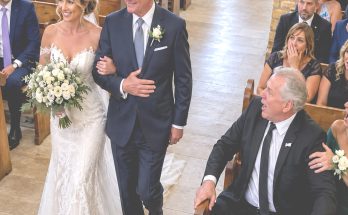
My daughter chose the school janitor to walk her across the graduation field instead of me — I felt humiliated until he pulled an old envelope from his pocket and said, “Her mother asked me to do this.” I raised my daughter, Hailey, all by myself. Her mother died in childbirth, and from that day on, I made one promise: Hailey would never feel like she was missing half a family. So when graduation day came, I was certain I knew how it would happen. They had told every senior to choose one person who had helped them make it across the field. I ironed my shirt twice that
morning. Then her name was called. And Hailey didn’t reach for my arm. She walked right past me and looped her arm through the school janitor’s. He had worked at the school since my own student days. “Would you do me the honor of walking me across the stage?” Hailey asked softly.
The whole stadium started whispering. “Isn’t that the janitor?” “Where’s her dad?” “Poor guy.” A parent beside me turned and asked, “Everything okay?” I managed a stiff smile. “Yeah. Hailey is always coming up with something.” I had never felt smaller in my life. They stopped at the stage. Then the janitor turned toward the microphone and pulled a yellowed envelope out of his chest pocket. The field went dead silent. Even the band stopped tuning. He drew a careful breath and said,
“This girl’s mother asked me to read this out loud,” he said, his hands trembling. “So everyone hears it. Especially her father.”
That hit me like a truck.
I looked closer at the man on the field.
The slope of his shoulders. The scar on his chin.
My knees buckled.
Then he opened the letter, found me in the bleachers, and started to read — and what was inside that envelope made every person in those bleachers stop breathing.
(Share your thoughts on the story in the comments)
A devoted single father thought graduation day would mark the proudest moment of his life. But when his daughter walked past him toward someone unexpected, a celebration turned into a silence he could not explain.
My daughter chose the school janitor to walk her across the graduation field instead of me — I felt humiliated until he pulled an old envelope from his pocket and said, “Her mother asked me to do this.”
I raised my daughter, Hailey, all by myself. Her mother died in childbirth, and from that day on, I made one promise:
Hailey would never feel like she was missing half a family.
So when graduation day came, I was certain I knew how it would happen. They had told every senior to choose one person who had helped them make it across the field.
I ironed my shirt twice that morning.
Then her name was called.
And Hailey didn’t reach for my arm.
She walked right past me and looped her arm through the school janitor’s. He had worked at the school since my own student days.
“Would you do me the honor of walking me across the stage?” Hailey asked softly.
The whole stadium started whispering.
“Isn’t that the janitor?”
“Where’s her dad?”
“Poor guy.”
A parent beside me turned and asked, “Everything okay?”
I managed a stiff smile.
“Yeah. Hailey is always coming up with something.”
I had never felt smaller in my life.
They stopped at the stage.
Then the janitor turned toward the microphone and pulled a yellowed envelope out of his chest pocket.
The field went dead silent. Even the band stopped tuning.
He drew a careful breath and said,
“This girl’s mother asked me to read this out loud,” he said, his hands trembling. “So everyone hears it. Especially her father.”
That hit me like a truck.
I looked closer at the man on the field.
The slope of his shoulders. The scar on his chin.
My knees buckled.
Then he opened the letter, found me in the bleachers, and started to read — and what was inside that envelope made every person in those bleachers stop breathing.
The iron hissed across my shirt’s collar a second time, even though it was already smooth. I just needed something to do with my hands.
On the dresser, the framed photo of Hailey’s mother watched me the way she always had, half a smile, eyes soft.
“I kept the promise,” I said quietly to the glass. “She never felt like half of anything.”
Eighteen years had passed since I lost her and held our daughter for the first time, all in the same hour.
Hailey came down the stairs in her cap and gown, holding a folded paper she tucked into her sleeve when she saw me looking.
I’d noticed the attic ladder down twice.
“You ready, kiddo?” I asked.
“Almost.”
She had been quiet all week, picking at food, whispering on the phone, and watching me with guilty, watery eyes.
I’d noticed the attic ladder down twice, too, and her mother’s old boxes shifted from the careful order I had kept for years.
Last Sunday, she’d asked, out of nowhere, whether my mother had ever talked about giving up a baby before I was born.
“You sure everything’s okay?” I tried again, pouring her cereal the way I had since she was four.
“Dad, I’m fine,” she said. “Just nervous.”
Raising her alone had taught me when to push and when to step back.
“You? Nervous? You gave a speech to three hundred people in eighth grade without blinking.”
She smiled, but it did not reach her eyes.
“This one’s different.”
I let it go. Raising her alone had taught me when to push and when to step back.
She had always looped her arm through mine at school events, since she was small enough to need a boost to see the stage.
“Save me a seat in the front,” she said, kissing my cheek on the way to the car.
“Front row, every time. You know that.”
In my head, I saw Hailey’s name called, her hand on my arm, the proud walk up to the stage.
The drive to the stadium took us past my old high school, the same building Hailey now attended.
I remembered the janitor who used to nod at me every morning back then. Quiet man. Same hallway. Same broom.
He still worked there. I had seen him at parent nights, gray now, still nodding the same way.
“Funny,” I said to the rearview mirror. “Some people just stay.”
I parked and smoothed my shirt again.
In my head, I saw Hailey’s name called, her hand on my arm, the proud walk up to the stage.
I locked the car and tucked her program into my pocket, certain I knew how this day would end.
“Each senior has chosen one person who helped them make it across this field.”
I had no idea she carried her own instructions in her sleeve.
The principal stepped up to the microphone, his voice carrying across the field.
“Each senior has chosen one person who helped them make it across this field. When your name is called, please step forward together.”
I straightened my tie. I had rehearsed this walk in my head for years.
Names came and went. Mothers, fathers, grandparents crossed proudly.
Then I heard it.
“Hailey Marie.”
I stood. My hand lifted toward her, ready for her arm to slip through mine the way it always had.
I lowered my hand slowly, certain she had simply missed me in the crowd.
But she didn’t look at me.
Her mouth trembled as she passed my row. For one heartbeat, I thought she might stop. Instead, she kept going, eyes fixed beyond the bleachers.
I lowered my hand slowly, certain she had simply missed me in the crowd.
Then she stopped at the edge of the track.
The school janitor stood there in a pressed gray suit I had never seen him wear. His cap was in his hands. His shoulders trembled.
Hailey looped her arm through his.
The whispers began before they took a single step.
“Would you do me the honor of walking me across the field?” she asked softly.
The man nodded without speaking. A tear slid down the side of his nose.
The whispers began before they took a single step.
“Isn’t that the janitor?”
“Where’s her dad?”
“Poor guy. Look at his face.”
I sat down without meaning to. The metal bleacher was cold, and my collar felt suddenly tight.
I forced the corners of my mouth up.
A woman to my left leaned over, her program pressed against her chest.
“Everything okay, hon?”
I forced the corners of my mouth up.
“Yeah. Hailey is always coming up with something.”
“Bless her heart,” the woman murmured, and turned away too quickly.
I stared at my daughter’s gown as she walked toward the stage. Every step with that man felt like a step away from me.
I started replaying everything.
I felt the whole town pressing down on me.
Breakfasts. Science fair posters. Fever nights on bathroom tile. The morning she called from school crying, and I drove there in work boots.
What had I missed?
What had I done?
I felt the whole town pressing down on me.
Hailey had her mother’s walk, light on the balls of her feet. I had told her that a thousand times.
And now she was walking with someone else.
The principal hesitated, then passed him the microphone.
I clenched my hands in my lap until my knuckles went white. I would not let them see my face break.
I had promised my wife I would carry this child with my chin up. I would carry this moment too.
They reached the stage.
The janitor didn’t climb the steps. Instead, he turned toward the principal and held out one shaking hand.
The principal hesitated, then passed him the microphone.
A hush rolled across the field. Even the band stopped tuning.
The man reached into his suit jacket and drew out a yellowed envelope, soft at the edges from years of being kept safe.
The words hit me somewhere deep inside.
He looked up into the bleachers.
He looked straight at me.
The janitor stepped closer to the microphone. His hands shook so badly the envelope rattled against the stand.
“This girl’s mother asked me to read this today,” he said. “So everyone hears it. Especially her father.”
The words hit me somewhere deep inside.
My wife had been gone for eighteen years. How could she have asked him anything?
I leaned forward, gripping the rail. The parent beside me had gone quiet. Everyone had.
I had seen one almost exactly like it on my own mother in old photographs.
I studied the man on the field, really studied him for the first time since I had been a teenager.
The slope of his shoulders. The way he tilted his head when he listened. The scar on his chin. The crooked set of his mouth.
I knew that mouth.
I had seen one almost exactly like it on my own mother in old photographs.
A memory surfaced, unbidden: my mother at the kitchen table, hands wrapped around cold tea.
“There was a baby before you,” she had said.
I had been seventeen years old. I had not pressed her. She had never finished the sentence.
I had let it go, young and afraid of what the answer might cost her.