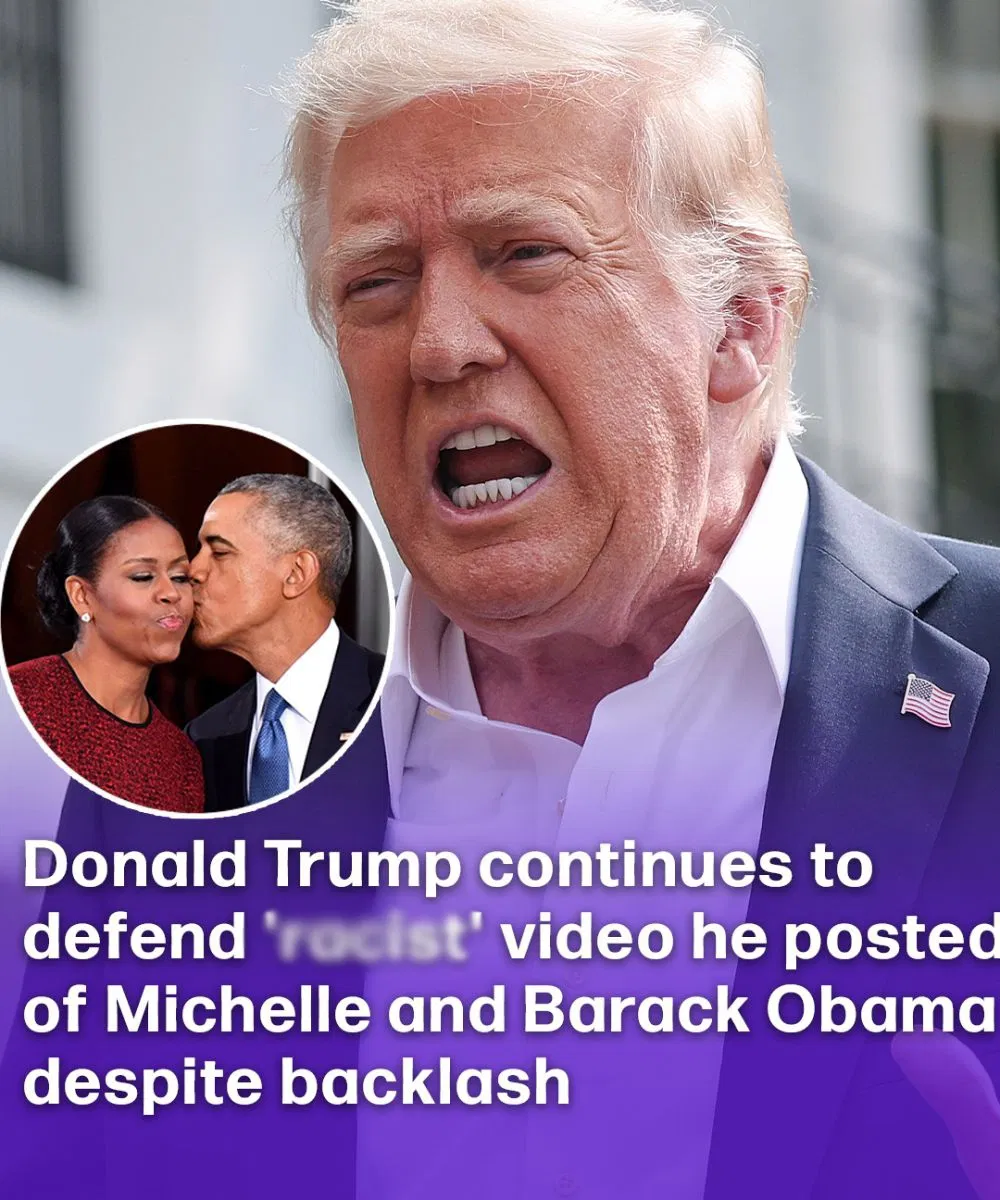
 The video quickly sparked widespread criticism. Among those speaking out was California governor Gavin Newsom, who described the post as “disgusting behaviour” and urged members of the Republican Party to publicly condemn it. “Every single Republican must denounce this,” he
wrote in a strongly worded message on X. “Now.”
Former Deputy National Security Adviser Ben Rhodes also responded, suggesting that future generations would remember the Obamas favorably while viewing Trump’s actions negatively in historical context.
Despite the backlash, Trump defended the post during a press conference held in the Oval Office on 12 February. He maintained that the primary focus of the video was election integrity and described it as a “strong piece.”

According to Trump, the segment that drew criticism had circulated online for years before he shared it. He also stated that he had not dismissed the White House staff member involved in compiling the full post, describing the inclusion of the controversial portion as an error.
“That was a video about voter fraud,” Trump said. “A fairly long video that had a small section referencing ‘The Lion King.’ It’s been shown widely, long before it was posted here. The main content was about election issues.”
When asked directly about the portrayal of the Obamas, Trump declined to issue a formal apology.
Several public officials characterized the video as discriminatory and inappropriate. Critics argued that the imagery echoed harmful historical tropes and contributed to divisive rhetoric.
White House press secretary Karoline Leavitt also commented on the situation, describing the post as originating from an internet meme that framed Trump as a “King of the Jungle” and political opponents as characters from The Lion King.
“Please stop the exaggerated outrage and focus on issues that matter to the American public,” she said in response to questions about the controversy.
The debate has continued to generate discussion about the boundaries of political expression online, the use of AI-generated imagery in public discourse, and the responsibilities of public figures when sharing viral content.