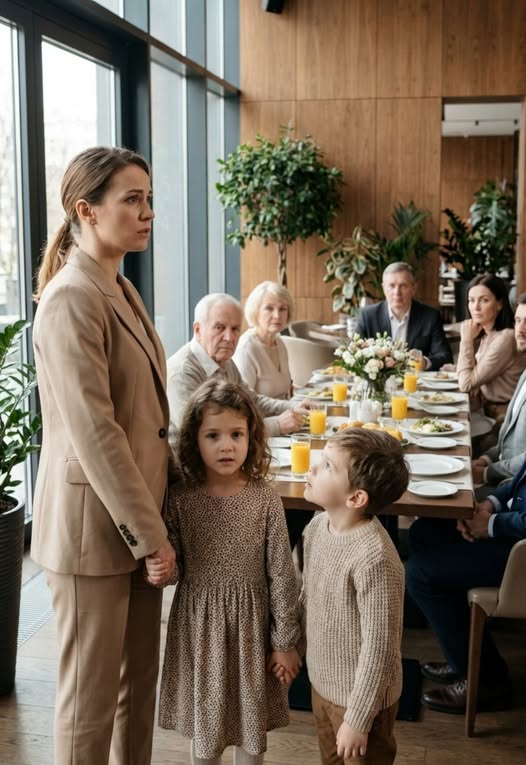
I grabbed the kids’ hands and walked out into the humid South Carolina sun, and not a single person followed us. Nobody called out for us to wait or tried to stop the car, which only confirmed that I had made the right choice.
I spent the afternoon buying them triple-scoop ice cream cones and letting them run through the sprinklers at the park, playing the role of the happy mom while my internal world was scorched earth. Once they were finally tucked into bed, I sat at my kitchen table and opened the group chat, knowing that the next few minutes would dismantle my life as I knew it.
At 8:14 p.m., I sent the message I had been drafting in my head for a decade. I told them that Arthur had waited for my children to arrive just to humiliate us, and that I would never again teach my son and daughter that their dignity was a bargaining chip for “family unity.”
I watched the little icons show that they had all read it: Kimberly, Scott, my aunts, and finally my mother. My father didn’t respond, likely pretending the message didn’t exist, and the silence that followed was the most honest thing that had happened in years.
Then, I began the process of digital surgery. I blocked my father’s number, followed by my mother’s and Scott’s.
I opened my laptop and logged into the joint savings account I had been funding for my nephew, Riley. For three years, I had been the one making sure his college fund grew because “family sticks together,” but that night, I realized I was just being used.
I canceled every single automatic transfer with a few clicks. It wasn’t an act of revenge, but an act of reclamation. If I was such a “bitter” nuisance at a Sunday brunch, then they certainly didn’t need my financial support to keep their own lives comfortable.
At 9:06 p.m., a text came through from an aunt’s burner phone saying, “Your dad didn’t mean it the way it sounded.”
Two minutes later, an email from my mother popped up, claiming I was being “theatrical” and “traumatizing the children” by overreacting.
I laughed out loud in the quiet of my kitchen because the mask had finally slipped. They didn’t miss me; they missed my utility, my money, and my willingness to be managed.
I sent one final reply to the email chain: “The transfers are gone and they aren’t coming back. My priority is no longer funding the lifestyle of people who treat my children like intruders.”
The fallout was immediate and explosive. Scott accused me of punishing a child for my own grudges, and my mother insisted that Toby and Maisie were too young to even understand what was said.
At 9:42 p.m., my doorbell rang, and I saw my mother standing on the porch through the security camera, looking like the victim of a great tragedy. I opened the door just a few inches, blocking her path.
“I came to fix this before you do something you’ll regret,” she said, her voice trembling with manufactured hurt.
“I’ve already done what I needed to do, Mom,” I replied.
“All of this over one little comment?” she snapped, her eyes narrowing. “You’re destroying this family.”
“I’m not destroying anything,” I said, looking her dead in the eye. “I’m just stopping the lie that this was ever a family.”
She stood there, stunned that her usual guilt-tripping wasn’t working. Then she played the only card she had left, whispering, “Your father is livid, and if you walk away now, don’t you dare come crawling back when you actually need us.”
I looked back at the hallway where my children were sleeping peacefully and realized that “needing” them was a cage I had finally escaped.
“I don’t want an apology,” I told her firmly. “I want space.”
I closed the door and locked it. The next morning, I woke up to a barrage of missed calls and a venomous email from Scott that I didn’t even bother to finish.
While I was making pancakes, Toby looked up at me with that heartbreakingly observant gaze kids have. “Are we done seeing Grandpa?” he asked.
I sat down next to him and told him that for now, we were. When Maisie asked if they had been bad, I made sure they knew the truth: they were perfect, and sometimes adults just don’t know how to be kind.
I spent the rest of the day changing my emergency contacts at their school and finding a therapist to help them process the rejection. I realized my job wasn’t to fix my father or win an argument with my brother; it was to stop the cycle of emotional abuse before it took root in my own kids.
Years later, I heard that my father still tells people I’m the “crazy daughter” who walked away over a misunderstanding. It doesn’t bother me anymore because I realized that night that I didn’t lose a home.
I finally became one for my children.
THE END.